Is Your Small Business Email Security Putting You at Risk?
The Hidden Dangers of Unprotected Email
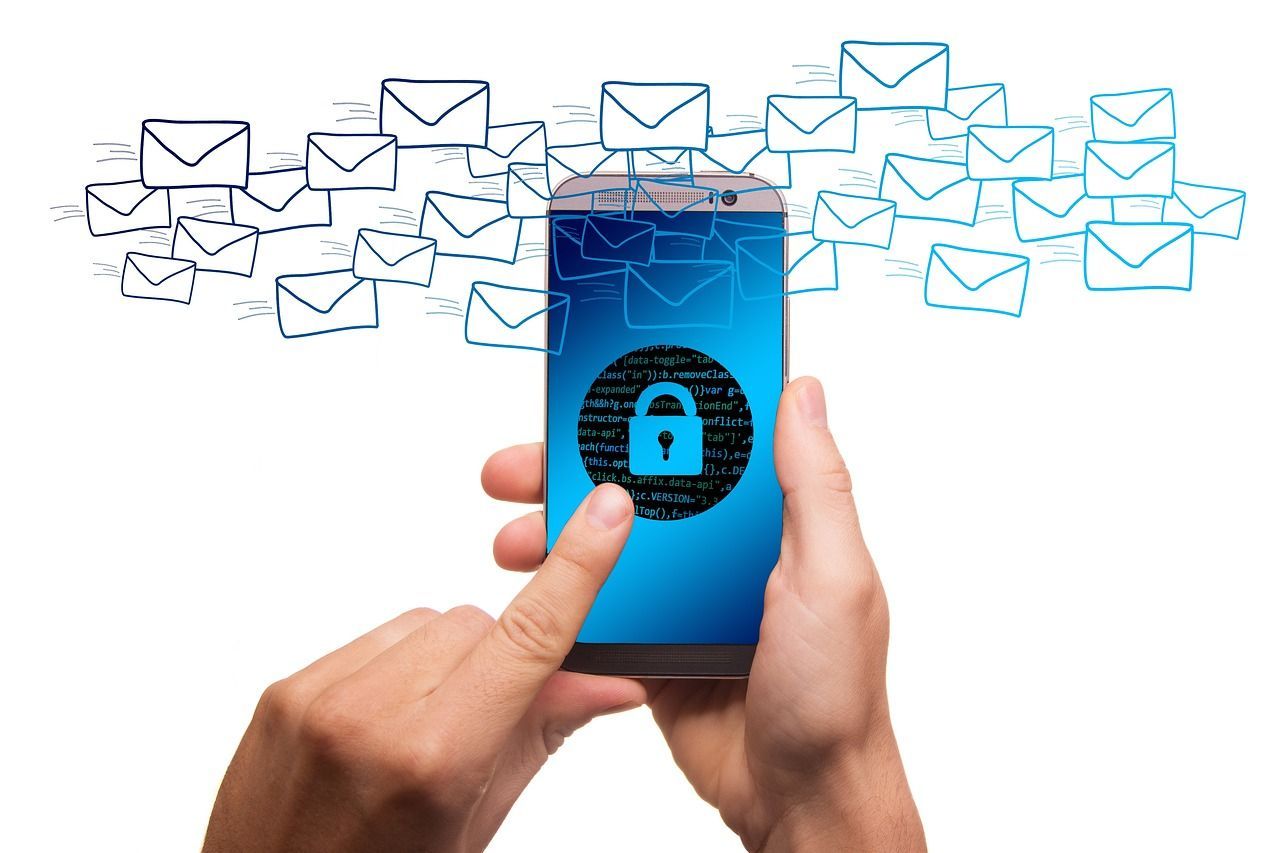
Every day, your business sends and receives dozens, maybe hundreds, of emails. But what if we told you that without proper email security protocols in place, every single message could be a potential gateway for cybercriminals to infiltrate your business?
If you're a small business owner in San Marcos, Austin, Wimberley, or New Braunfels, this isn't just a theoretical concern. It's a daily reality that could cost you everything.
The Email Security Crisis Facing Small Businesses
Recent studies show that 91% of cyberattacks begin with email. Yet most small businesses operate with email systems that are essentially wide open to attackers. Why? Because they're missing three critical security protocols that act as your email's first line of defense:
- SPF (Sender Policy Framework)
- DKIM (DomainKeys Identified Mail)
- DMARC (Domain-based Message Authentication, Reporting, and Conformance)
Without these protocols properly configured, your business is vulnerable to:
Email Spoofing and Phishing Attacks
Cybercriminals can easily impersonate your domain, sending fake emails that appear to come from your business. This damages your reputation and can trick your customers into sharing sensitive information.
Business Email Compromise (BEC)
Attackers can intercept and manipulate your email communications, potentially redirecting payments or stealing confidential business information.
Deliverability Issues
Major email providers like Gmail and Outlook are increasingly rejecting emails from domains without proper authentication, meaning your legitimate business emails might never reach your customers.
The Real Cost of Poor Email Security
Consider this scenario: A local Austin restaurant had their email domain spoofed by cybercriminals who sent fake invoices to their suppliers. The result? $15,000 in fraudulent charges, damaged vendor relationships, and weeks of recovery time, all because basic email security wasn't in place.
This isn't an isolated incident. Small businesses lose an average of $25,000 per email security breach, and many never fully recover from the reputational damage.
What Are SPF, DKIM, and DMARC?
Let's break down these essential email security protocols in simple terms:
SPF (Sender Policy Framework) tells receiving email servers which IP addresses are authorized to send emails on behalf of your domain. Think of it as a guest list for your email domain.
DKIM (DomainKeys Identified Mail) adds a digital signature to your outgoing emails, proving they actually came from your domain and haven't been tampered with during transit.
DMARC (Domain-based Message Authentication, Reporting, and Conformance) ties SPF and DKIM together, telling receiving servers what to do with emails that fail authentication—and provides you with reports on attempted spoofing.
Why Small Businesses Struggle with Email Security
Most small business owners know they need better cybersecurity, but email authentication often gets overlooked because:
- It's technical and confusing - Setting up these protocols requires DNS knowledge that most business owners don't have
- It's not visible - Unlike a firewall or antivirus, you can't "see" email authentication working
- It seems optional - Until something goes wrong, many businesses don't realize how critical it is
- Fear of breaking email - One wrong configuration can stop all email delivery
The HCS Solution: Professional Email Security Setup
At HCS Technical Services, we've seen too many local businesses fall victim to preventable email attacks. That's why we're now offering specialized Email Security Authentication Projects—focused, one-time services designed specifically for small businesses that need their email security fixed quickly and correctly.
What Our Email Security Service Includes:
- Complete SPF Record Setup - We'll identify all legitimate email sources for your domain and create a properly configured SPF record
- DKIM Implementation - We'll generate and install DKIM keys for all your email services, ensuring your messages are digitally signed
- DMARC Policy Configuration - We'll set up DMARC with the right policy level for your business, starting with monitoring and progressing to enforcement
- DNS Configuration - All necessary DNS records will be properly configured and tested
- Verification and Testing - We'll thoroughly test your email authentication to ensure everything works correctly
- Documentation and Training - You'll receive clear documentation of what was implemented and basic training on monitoring your email security
Why Choose HCS for Your Email Security Project?
- Local Expertise: We understand the specific needs of businesses in Central Texas
- Proven Track Record: Over 25 years of experience protecting local businesses
- Fixed-Price Project: No surprises—you'll know exactly what you're paying upfront
- Quick Turnaround: Most email security projects completed within 3-5 business days
- Ongoing Support: While this is a one-time project, we're always here if you need help
Don't Wait Until It's Too Late
Every day you operate without proper email security is another day you're rolling the dice with your business's reputation and financial security. The good news? This is a problem that can be solved quickly and affordably.
Ready to protect your business email?
Contact HCS Technical Services today for a free email security assessment. We'll review your current setup and provide you with a clear, no-obligation quote for getting your SPF, DKIM, and DMARC properly configured.
HCS Technical Services