How Hackers Are Bypassing Multi-Factor Authentication in 2025
How Hackers Are Bypassing Multi-Factor Authentication in 2025
The Evolution of Multi-Factor Authentication (MFA) and Its Challenges
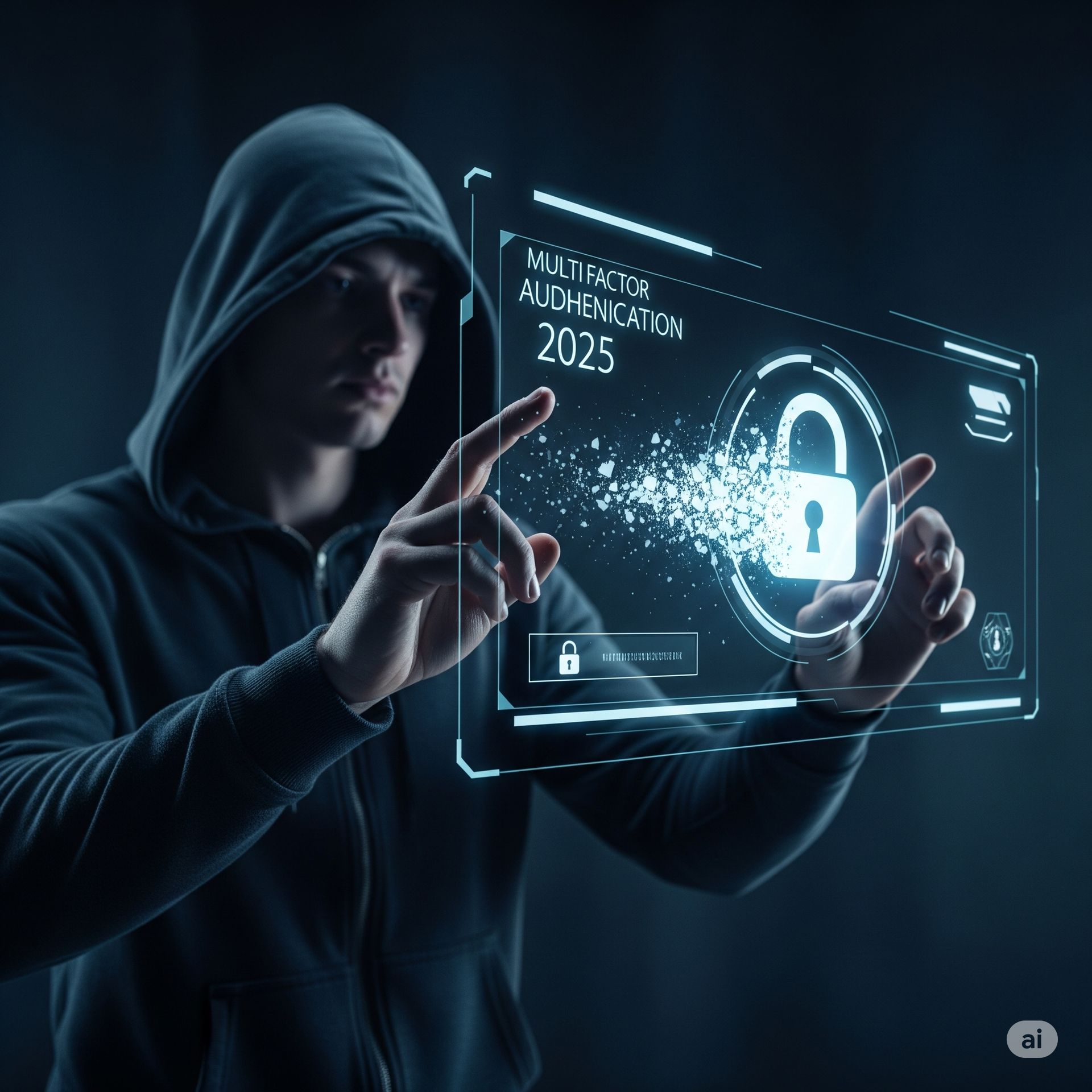
Multi-Factor Authentication (MFA) has long been heralded as a robust line of defense against unauthorized access. By requiring users to provide multiple forms of verification, MFA significantly raises the bar for attackers. However, as technology advances, so too do the methods employed by cybercriminals. In 2025, hackers have developed more sophisticated techniques to bypass MFA systems, exploiting human error and technical vulnerabilities alike. While MFA relies on something you know (such as a password), something you have (like a phone or token), and something you are (biometric verification), hackers have found new ways to intercept these factors through phishing, social engineering, and advanced malware. As businesses and individuals become more reliant on digital interactions, the need for an evolving strategy to combat these threats is more pressing than ever. Recognizing the limitations of current MFA implementations and understanding the strategies employed by attackers is essential in developing new defenses that can withstand this relentless onslaught.
Common Techniques Used by Hackers to Circumvent MFA
In 2025, hackers are deploying a range of sophisticated techniques to bypass MFA, employing a mix of technological advancements and social engineering strategies. One prevalent method is the use of phishing attacks designed to trick users into divulging authentication codes sent via SMS or email. Additionally, hackers are increasingly utilizing man-in-the-middle (MITM) attacks, where they intercept communications between the user and the authentication server without the user's knowledge. This allows hackers to capture session cookies or tokens, effectively stealing the user's authenticated session. Social engineering remains a powerful tool in their arsenal, with attackers posing as IT support to assist users with "authentication issues," thereby convincing them to reveal authentication codes or approve fraudulent login attempts. Another technique gaining traction is the exploitation of legacy systems within organizations that may not support the latest MFA technologies, creating backdoors for attackers who seek out these vulnerable entry points. As the threat landscape evolves, understanding these tactics is vital in fortifying security measures against such intrusions.
Vulnerabilities in Biometric Authentication Systems
- Biometric authentication is considered a robust alternative, yet it is not immune to exploitation.
- Hackers have developed techniques to replicate biometric data, including fingerprints and facial recognition, using digital forensics and 3D printing technologies.
- Data breaches where biometric templates are stored pose a significant risk, as this information is not easily changeable like a password.
- Organizations must ensure that encryption and secure storage protocols are implemented to protect sensitive biometric data from theft or manipulation.
- Moreover, the use of deepfake technology has introduced new challenges, allowing attackers to spoof facial recognition systems with high precision.
Implementing Advanced Security Measures Beyond MFA
To counteract the growing threats to MFA, organizations must adopt advanced security measures that go beyond traditional approaches. One critical strategy is the integration of behavioral biometrics, which analyzes user behavior patterns such as typing speed or mouse movements, providing an additional layer of security that is difficult for attackers to replicate. Another approach is the use of hardware security keys, which offer a direct physical link between the device and the user, making remote exploitation considerably more challenging. Additionally, organizations should employ AI-driven threat detection systems that can monitor for anomalies in user behavior and flag suspicious activities in real-time. It's also essential to continually educate employees on recognizing sophisticated phishing attacks and fostering a culture of cybersecurity awareness. By implementing these advanced measures, businesses can enhance their defensive arsenal, thereby reducing reliance on single points of failure within traditional MFA systems and better preparing for the evolving tactics of cybercriminals.
The Future of MFA: Adaptive Authentication Technologies
As the landscape of cybersecurity threats continues to evolve, so too must the strategies and technologies that defend against them. Adaptive authentication represents the next frontier in MFA, offering dynamic security measures that adjust based on real-time risk assessments. This future-forward approach leverages contextual information—such as the user's location, device type, and network environment—to ascertain the level of risk associated with each login attempt. If an attempt is flagged as suspicious, the system can escalate the authentication requirements, thus adapting to potential threats. By combining machine learning algorithms with risk-based authentication, adaptive systems provide a highly customizable security solution that can respond to the sophistication of modern cyberattacks. As privacy concerns grow, these technologies also emphasize user transparency and control, ensuring that security protocols remain unobtrusive yet effective. This progressive shift towards intelligent, context-aware authentication strategies signifies a pivotal advancement in protecting digital identities in increasingly connected environments.
The Role of Businesses in Strengthening MFA and User Trust
In 2025, businesses play a vital role in both implementing robust multi-factor authentication practices and fostering trust with their users. Beyond adopting cutting-edge technologies and adapting to emerging threats, organizations must focus on transparency and education. It is essential for companies to communicate clearly with their users about the importance of MFA, the potential risks involved, and the proactive steps being taken to safeguard data. Regular security updates and training can empower employees to recognize and respond to phishing attempts and other fraudulent activities effectively. Furthermore, businesses should prioritize the user experience, ensuring that security enhancements do not come at the cost of convenience. By maintaining a balance between rigorous security measures and user-friendly interfaces, companies can strengthen their cybersecurity posture while building trust and loyalty among their user base. In this ever-evolving digital landscape, a collaborative effort between technology providers, businesses, and users is crucial to fortifying MFA systems and ensuring a secure online ecosystem.
HCS Technical Services