How Can I Save Money on IT Infrastructure Without Sacrificing Quality?

Cory Cranfill • July 29, 2024

Lean IT: Maximizing Value While Minimizing Costs

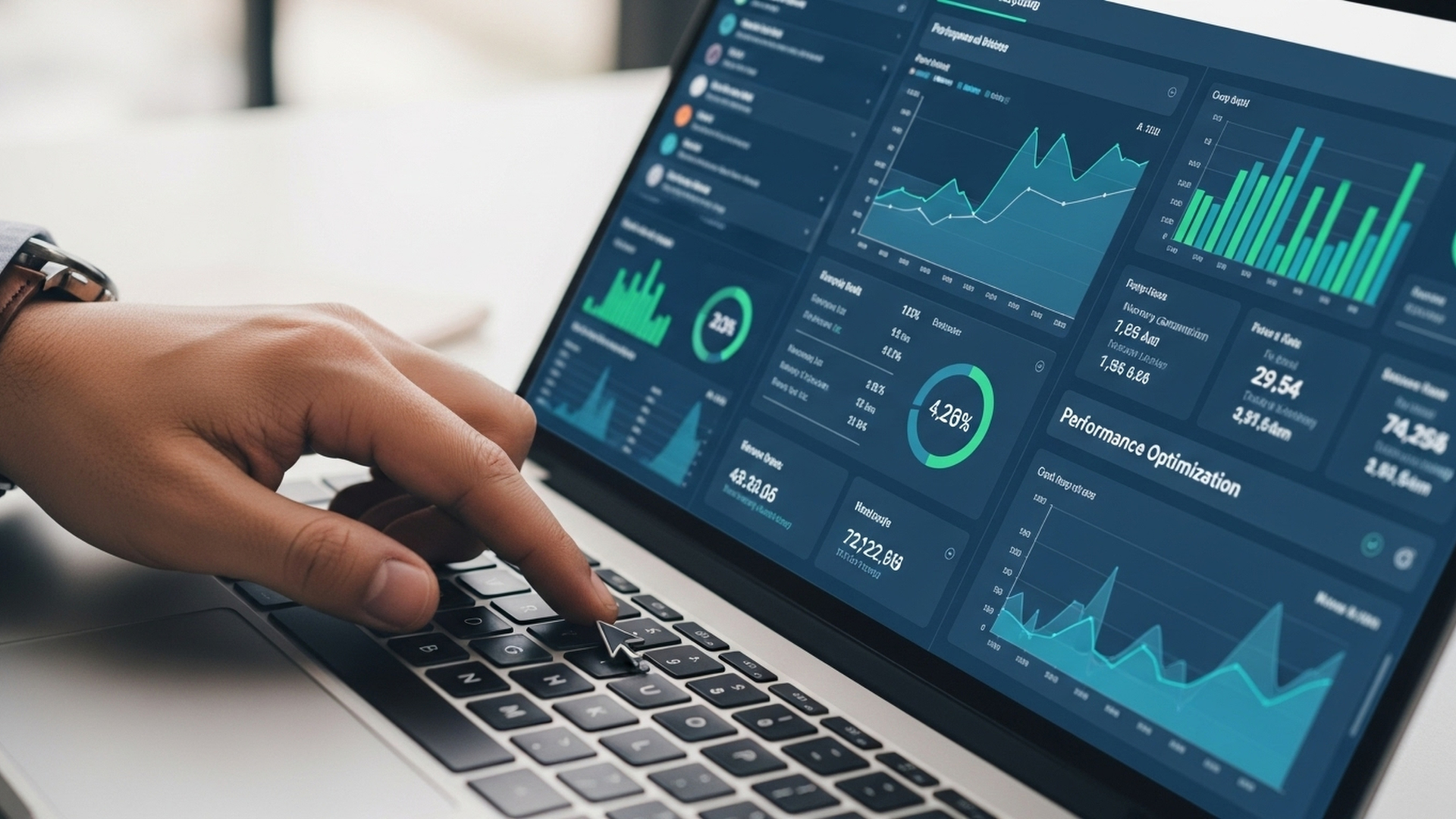
Computers on a desk.

IT infrastructure costs can quickly add up for small and medium-sized enterprises (SMEs), with expenses like servers, software licenses, and maintenance draining budgets and limiting potential. Many business owners find themselves asking, "How can I cut costs without cutting corners when it comes to my IT infrastructure?"


The Cloud is Your Cost-Saving Solution

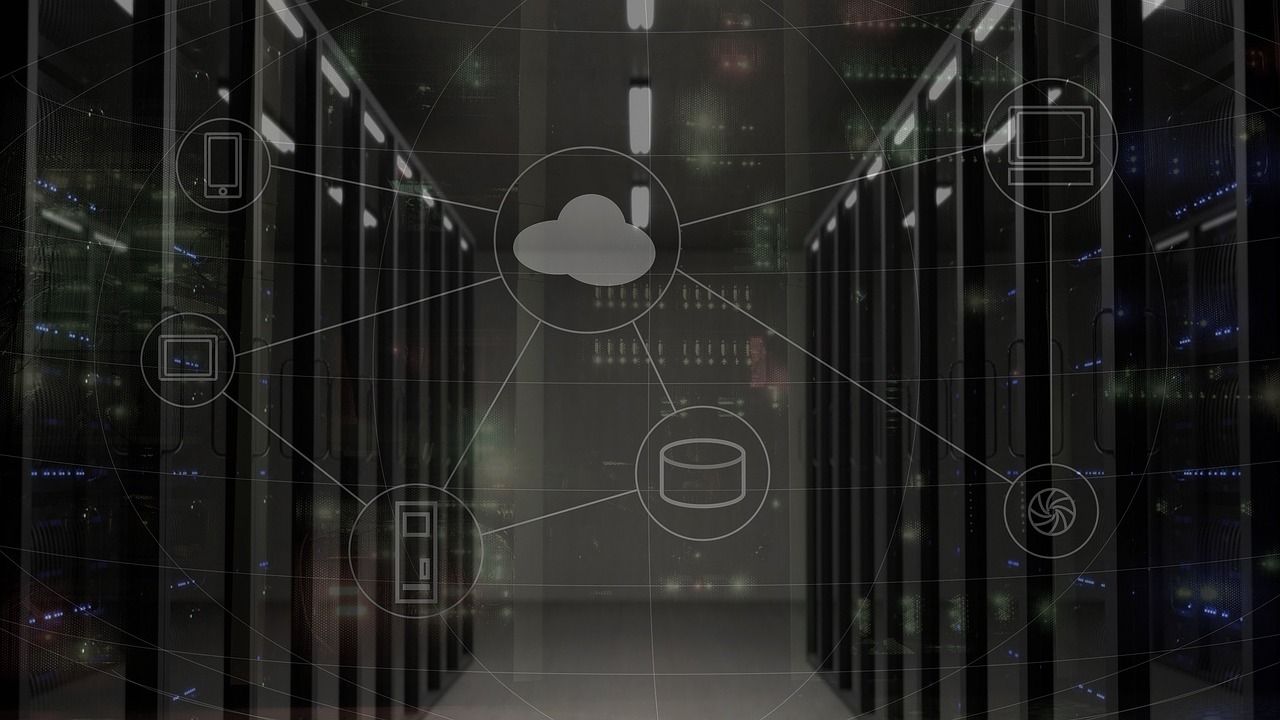
The answer lies in the cloud. Cloud-based services are revolutionizing the way SMEs allocate their IT budgets by offering scalable solutions that grow with your business. By moving to the cloud, you can access enterprise-level technology without the hefty upfront costs.


Actionable Tip: Analyze the Costs and Benefits

Before making the switch, conduct a cost-benefit analysis comparing traditional IT infrastructure with cloud services. Look for scalable options that allow you to pay only for the services you actually use. This will help you identify the most cost-effective solution for your business.


The Advantages of Cloud-Based IT Infrastructure

  1. Cost Savings: With cloud services, you eliminate upfront expenses and pay as you go, only for what you need. This pay-per-use model can significantly reduce your IT costs.
  2. Reduced Maintenance Overhead: Cloud vendors handle maintenance and upgrades, freeing up your IT team to focus on more strategic initiatives and reducing operational costs.
  3. Flexibility and Scalability: Cloud-based infrastructure allows you to quickly adapt to market changes with easily adjustable IT resources, ensuring that your business remains agile and competitive.


Invest in Your Business's Future

By shifting to the cloud, you're not just cutting costs; you're investing in a flexible, scalable future for your business. The cloud enables your SME to access powerful technology previously available only to larger enterprises, leveling the playing field and fostering growth.


Get Expert Guidance

If you're still unsure about moving to the cloud, reach out to HCS Technical Services for personalized guidance. Their experts can help you identify the best cloud solutions for your specific business needs and budget, ensuring a smooth transition and maximum cost savings.

Don't let high IT infrastructure costs hold your SME back. Embrace the cost-saving and growth-enabling benefits of the cloud today and watch your business soar.

HCS Technical Services

Woman with headset smiles while using a computer in an office setting.
March 11, 2026
Unreliable IT quietly drives employee frustration and turnover. Learn how smarter IT reduces friction, improves morale, and protects retention.
Four people collaborating around a glowing cloud with documents. They hold tablets in a bright office.
March 4, 2026
Use AI to improve productivity without exposing sensitive data. Learn how Central Texas businesses can deploy AI securely and reduce cyber risk.
Hand holding a tablet with a glowing cloud icon above, against a dark blue background.
February 25, 2026
Cloud compliance failures create legal, financial, and security risk. Learn how Central Texas businesses can manage regulations and avoid costly mistakes.
Puzzle pieces hovering over a circuit board, with glowing blue light.
February 18, 2026
Most modern businesses rely on third-party applications to operate. Payments, customer support, analytics, file sharing, automation. Nearly every workflow depends on integrations. But every integration you enable creates another doorway into your environment. A growing number of data breaches now originate with third-party vendors, not direct attacks. When an integration is compromised, attackers don’t stop at the app. They move into your systems, your data, and your operations. For businesses in San Marcos and across Central Texas, the message is clear: integrations are powerful, but they must be vetted and monitored like any other critical system. Why Third-Party Integrations Deserve More Attention Third-party tools exist because building everything in-house isn’t practical. APIs speed up deployment, reduce cost, and give teams functionality they couldn’t otherwise support. But integrations also: Expand your attack surface Inherit someone else’s security decisions Increase your compliance responsibilities If a connected vendor fails, your business absorbs the downtime, data exposure, and reputational damage. The Real Risks Behind Third-Party Apps Security Exposure A poorly secured plugin or API can introduce vulnerabilities that bypass your internal controls. If attackers compromise the vendor, they often use that trusted connection to move laterally into your environment. Privacy and Compliance Gaps Even well-known vendors can mishandle data. They could store it in the wrong region, share it with subcontractors, or use it beyond stated purposes. Those mistakes still land on your business. Operational and Financial Impact When integrations fail, workflows break. Billing systems stall. Data stops syncing. In many cases, outages and financial losses trace back to weak integration oversight. A Practical Checklist Before Connecting Any Third-Party App Before approving a new integration, review it through a business-risk lens, not just convenience. Security Credentials and Audits Look for evidence of real security practices such as SOC 2 reports, ISO certifications, or recent penetration testing. Vendors should be able to explain how they handle vulnerabilities. Encryption Standards Data should be encrypted both in transit and at rest using modern protocols. If documentation is vague, that’s a red flag. Authentication and Access Controls Integrations should support modern authentication standards and enforce least-privilege access. Tokens should rotate and expire automatically. Logging and Monitoring The vendor should provide detailed logs and alerts. Your own systems should also monitor integration activity to detect unusual behavior. Versioning and Change Management Understand how updates, deprecations, and breaking changes are communicated. Poor version control causes unexpected outages. Rate Limits and Abuse Controls Throttling protects both sides. Without it, misuse or automated attacks can overwhelm systems. Contracts and Accountability Agreements should define security expectations, response timelines, and your right to request security information. Data Location and Jurisdiction Know exactly where data is stored and processed. This matters for privacy laws, contracts, and client trust. Resilience and Recovery Ask how the vendor handles backups, failover, and disaster recovery. Integrations should not be a single point of failure. Dependencies and Supply Chain Risk Understand what third-party libraries and services the vendor relies on. A weak dependency can become your problem overnight. Treat Integrations as Ongoing Risk, Not One-Time Approvals Integration reviews shouldn’t stop once a tool is connected. Vendors change, platforms evolve, and risks shift over time. Regular reviews, monitoring, and clear contracts prevent the kind of surprises that lead to outages, breaches, and emergency cleanup. If you’re unsure how exposed your current stack is or need help building a repeatable vetting process, HCS can help. We work with Central Texas businesses to secure integrations in a way that supports real operations, not just compliance checkboxes. Contact HCS to review your integrations and eliminate unnecessary risk before it becomes a problem.
Hands typing on a laptop keyboard, illuminated by the glowing screen displaying lines of code.
February 11, 2026
Stolen credentials are a leading cause of breaches. Learn how MFA, passwordless logins, and Zero Trust protect business accounts from attackers.
February 4, 2026
Forgotten contractor accounts create serious security risk. Learn how Conditional Access automates access control and protects your business in under an hour.
White Wi-Fi signal icon on a light blue circular button.
January 28, 2026
Shared guest Wi-Fi passwords put your business at risk. Learn how a Zero Trust approach secures guest access without impacting daily operations.
Robot analyzing charts on a futuristic desk. Blue and green bar graphs display data.
January 21, 2026
Public AI tools can expose sensitive business data. Learn six practical ways to prevent AI-related data leaks and protect your clients and operations.
Person working on a laptop with overlaid icons related to legal and compliance matters.
January 14, 2026
Privacy laws are tightening in 2026. Use this compliance checklist to reduce risk, protect customer data, and keep your business aligned with new regulations.
Person in blue jacket using a tablet, surrounded by digital interface icons at a desk.
January 6, 2026
Without clear policies, ChatGPT can expose your business to risk. Learn five rules Central Texas businesses need for safe, responsible AI adoption.
More Posts