How Can I Enable Secure Remote Access for My Employees?

Cory Cranfill • July 1, 2024

Easy and Secure Remote Access: Empower Your Team to Work from Anywhere

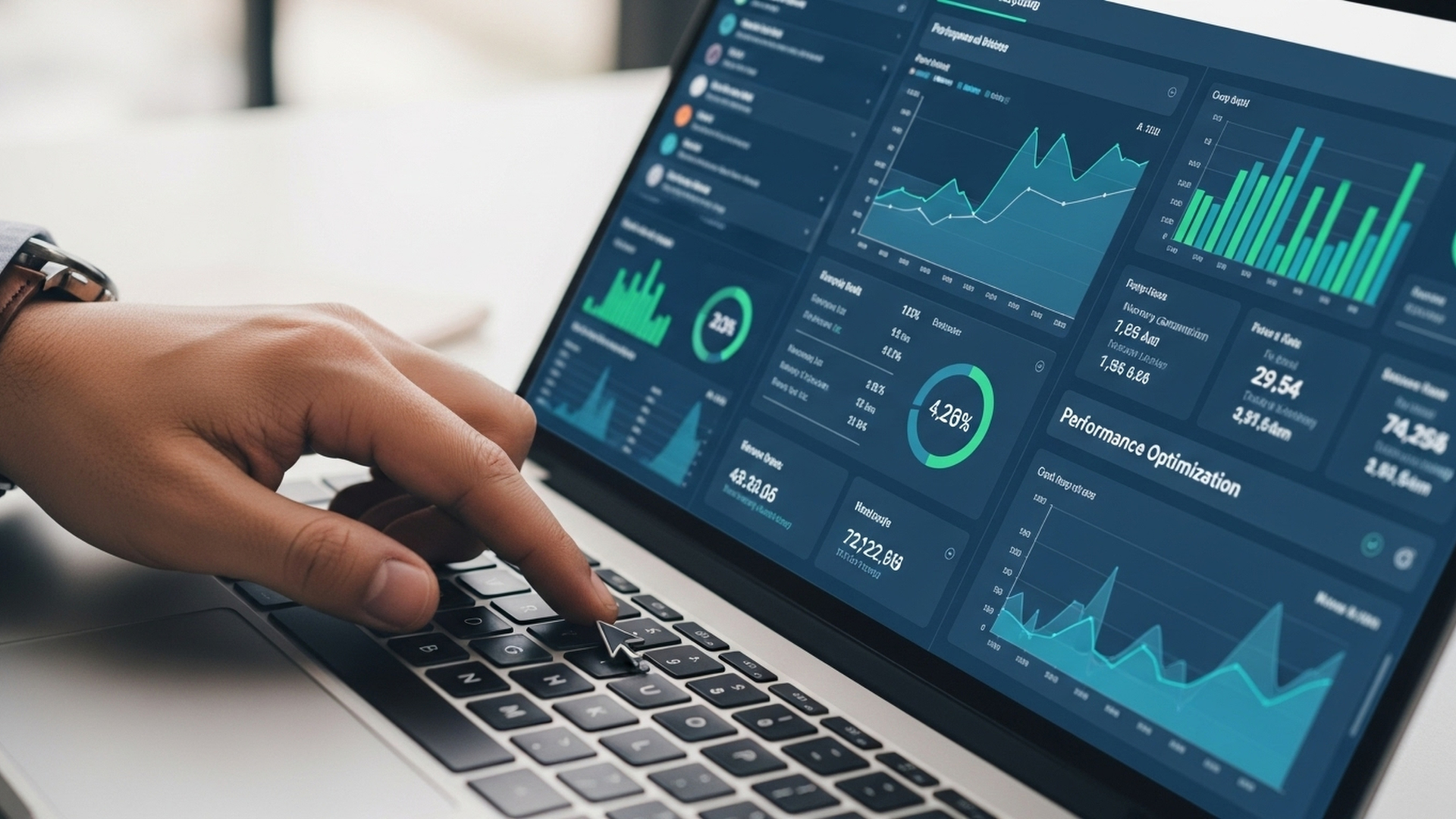
Guy on laptop working remotely

Limited remote access can be a severe bottleneck for modern businesses. As remote work becomes more prevalent, the absence of proper tools to access systems from afar hampers productivity and can even affect employee morale. So, how can you unlock the power of remote access for your business while ensuring security and ease of use?


The Solution: Adopt Secure, User-Friendly Remote Access Tools

The key to enabling effective remote work is to adopt secure, user-friendly remote access solutions that empower your team to work from anywhere, anytime. By providing your employees with the right tools, you can maintain productivity and collaboration, even when working remotely.


Actionable Tip: Invest in VPNs or Cloud-Based Remote Access Platforms

To get started, invest in Virtual Private Network (VPN) solutions or cloud-based platforms designed for secure remote access. These tools allow your employees to securely connect to your company's network and access the resources they need to do their jobs. Make sure the solutions you choose come with robust security features and user management controls to protect your data and systems.


The Empowering Benefits of Secure Remote Access

Increased Workforce Flexibility:

Secure remote access allows your team to be productive regardless of their location, enabling them to work from home, on the road, or anywhere with an internet connection.

Enhanced Collaboration:

With easy remote access, team members spread across various locations can communicate and collaborate more effectively, sharing files and working together in real-time.

Improved Data Security:

By using secured remote access solutions, you also protect sensitive data from unauthorized access or cyber threats, ensuring that your business's information remains safe and confidential.


Don't Let Geography Limit Your Business's Potential

Never let the limitations of geography dictate the potential of your business. A properly configured remote access setup can make the world your office, allowing your employees to work seamlessly from anywhere.


Get Expert Guidance for Custom-Fit Solutions

For custom-fit remote access solutions tailored to your business's unique needs, consider consulting with HCS Technical Services. Their experienced team can help you implement secure, user-friendly remote access tools that empower your workforce and drive your business forward.


Enabling secure remote access is essential for any business looking to thrive in today's digital age. By providing your employees with the right tools and solutions, you can unlock the power of remote work and ensure that your business remains productive, collaborative, and competitive, no matter where your team is located.

HCS Technical Services

Server room with cloud computing diagram overlaid, representing data storage and network connectivity.
April 22, 2026
Cloud waste can consume 25% or more of your IT budget. Learn how to reduce idle resources, right-size workloads, and control cloud costs with FinOps.
Hand touching a cloud in front of a network of interconnected nodes against a blue sky.
April 15, 2026
Hybrid cloud balances cost, performance, and compliance. Learn why smart workload placement beats cloud-only strategies in 2026.
Office with desk, chair, shelving unit, and coat rack. Wooden floor and white brick wall.
April 8, 2026
Unrevoked accounts create insider risk and compliance exposure. Learn how a structured IT offboarding process protects your business and prevents access gaps.
Blue shield with checkmark on red background.
April 1, 2026
Vendor breaches can expose your data and create legal risk. Learn how to reduce third-party cyber threats and protect your business from supply chain attacks.
White outline of a padlock inside a blue circle; shadow to the lower left.
March 25, 2026
Zero Trust security helps protect revenue, data, and operations by verifying every access request. A practical guide for small businesses.
Hand on laptop, analyzing data charts and graphs with blue and green visuals.
March 18, 2026
Overloaded reports slow decisions and hide risk. Learn how simple data visualization helps SMBs act faster and align teams with clear metrics.
Woman with headset smiles while using a computer in an office setting.
March 11, 2026
Unreliable IT quietly drives employee frustration and turnover. Learn how smarter IT reduces friction, improves morale, and protects retention.
Four people collaborating around a glowing cloud with documents. They hold tablets in a bright office.
March 4, 2026
Use AI to improve productivity without exposing sensitive data. Learn how Central Texas businesses can deploy AI securely and reduce cyber risk.
Hand holding a tablet with a glowing cloud icon above, against a dark blue background.
February 25, 2026
Cloud compliance failures create legal, financial, and security risk. Learn how Central Texas businesses can manage regulations and avoid costly mistakes.
Puzzle pieces hovering over a circuit board, with glowing blue light.
February 18, 2026
Most modern businesses rely on third-party applications to operate. Payments, customer support, analytics, file sharing, automation. Nearly every workflow depends on integrations. But every integration you enable creates another doorway into your environment. A growing number of data breaches now originate with third-party vendors, not direct attacks. When an integration is compromised, attackers don’t stop at the app. They move into your systems, your data, and your operations. For businesses in San Marcos and across Central Texas, the message is clear: integrations are powerful, but they must be vetted and monitored like any other critical system. Why Third-Party Integrations Deserve More Attention Third-party tools exist because building everything in-house isn’t practical. APIs speed up deployment, reduce cost, and give teams functionality they couldn’t otherwise support. But integrations also: Expand your attack surface Inherit someone else’s security decisions Increase your compliance responsibilities If a connected vendor fails, your business absorbs the downtime, data exposure, and reputational damage. The Real Risks Behind Third-Party Apps Security Exposure A poorly secured plugin or API can introduce vulnerabilities that bypass your internal controls. If attackers compromise the vendor, they often use that trusted connection to move laterally into your environment. Privacy and Compliance Gaps Even well-known vendors can mishandle data. They could store it in the wrong region, share it with subcontractors, or use it beyond stated purposes. Those mistakes still land on your business. Operational and Financial Impact When integrations fail, workflows break. Billing systems stall. Data stops syncing. In many cases, outages and financial losses trace back to weak integration oversight. A Practical Checklist Before Connecting Any Third-Party App Before approving a new integration, review it through a business-risk lens, not just convenience. Security Credentials and Audits Look for evidence of real security practices such as SOC 2 reports, ISO certifications, or recent penetration testing. Vendors should be able to explain how they handle vulnerabilities. Encryption Standards Data should be encrypted both in transit and at rest using modern protocols. If documentation is vague, that’s a red flag. Authentication and Access Controls Integrations should support modern authentication standards and enforce least-privilege access. Tokens should rotate and expire automatically. Logging and Monitoring The vendor should provide detailed logs and alerts. Your own systems should also monitor integration activity to detect unusual behavior. Versioning and Change Management Understand how updates, deprecations, and breaking changes are communicated. Poor version control causes unexpected outages. Rate Limits and Abuse Controls Throttling protects both sides. Without it, misuse or automated attacks can overwhelm systems. Contracts and Accountability Agreements should define security expectations, response timelines, and your right to request security information. Data Location and Jurisdiction Know exactly where data is stored and processed. This matters for privacy laws, contracts, and client trust. Resilience and Recovery Ask how the vendor handles backups, failover, and disaster recovery. Integrations should not be a single point of failure. Dependencies and Supply Chain Risk Understand what third-party libraries and services the vendor relies on. A weak dependency can become your problem overnight. Treat Integrations as Ongoing Risk, Not One-Time Approvals Integration reviews shouldn’t stop once a tool is connected. Vendors change, platforms evolve, and risks shift over time. Regular reviews, monitoring, and clear contracts prevent the kind of surprises that lead to outages, breaches, and emergency cleanup. If you’re unsure how exposed your current stack is or need help building a repeatable vetting process, HCS can help. We work with Central Texas businesses to secure integrations in a way that supports real operations, not just compliance checkboxes. Contact HCS to review your integrations and eliminate unnecessary risk before it becomes a problem.
More Posts